 1STOP Pest Control
Spider Control · Bexley
Where Do Spiders Hide Inside Houses?
It depends which sort you have. Web builders sit still in corners; hunting species roam and shelter low, and they are the ones that make people jump.
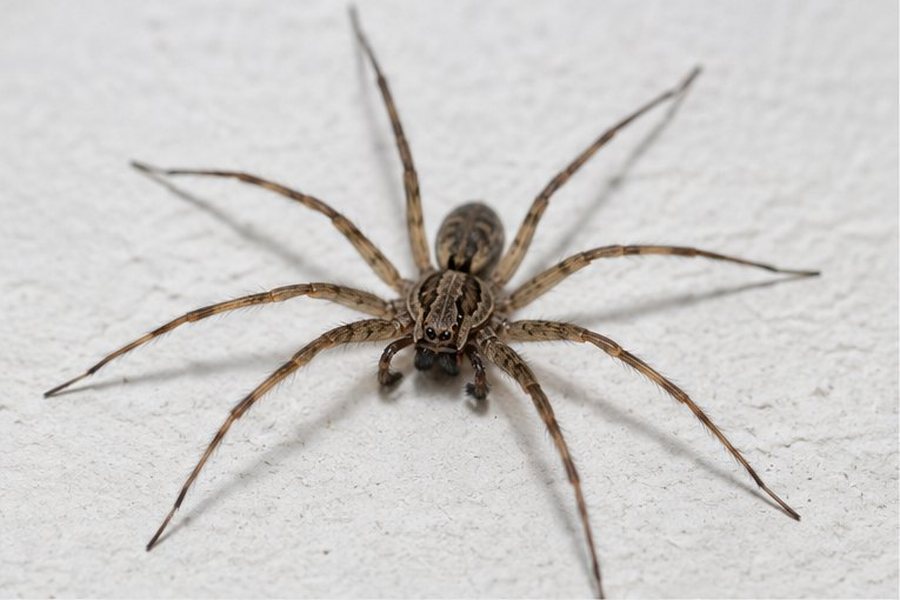
The Web Builders: Up and Still
Ceiling corners, particularly in rooms that are cool and little used. Behind and above wall units and wardrobes. In the angle where a wall meets a ceiling in a hallway or stairwell. Around window reveals and the top corners of frames. In light fittings and lampshades.
They stay put, so they are where the food comes to them — which usually means near a light source or a window. If you clear the webs and they rebuild in the same spot, that spot is catching insects.
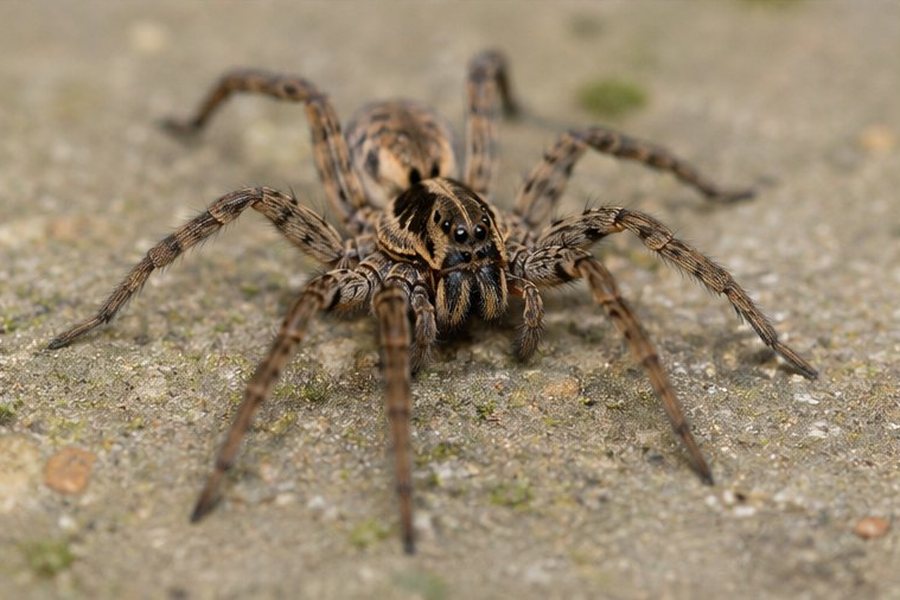
The Hunting Species: Down and Sheltered
Large house spiders do not use webs to catch prey and roam at night. During the day they shelter behind and under furniture, in the gap beside a wardrobe, under a bed, behind radiators, in cupboards, and behind boxes.
These are the ones people encounter in a bath or a sink. They fell in while roaming and could not climb out; it has nothing to do with plugholes, which is one of the more persistent myths.
The Rooms That Hold Most
Garages, sheds and outbuildings by a wide margin. Then cellars, loft spaces, conservatories and utility rooms — cool, cluttered, undisturbed spaces with structure to anchor to and a doorway that gets opened.
Inside the house it is usually the least-used rooms: a spare bedroom, a downstairs cloakroom, a porch. A busy centrally heated living room supports fewer than people assume.
The Specific Places Worth Checking
Behind and under the sofa. The gap between a wardrobe and the wall. Under the bed and behind the headboard. Behind boxes in a garage. Inside a shed, along the roof line. Behind and under a radiator. In the fold of a curtain at the top. Inside plant pots and watering cans in an outbuilding.
And in autumn, anything low and dark near an outside door, because that is the route in for wandering males.
What Reduces It
Clear the clutter that provides shelter, particularly in the garage and outbuildings, and lift stored items off the floor. Brush webs and egg sacs out of corners, reveals and roof lines regularly — removing egg sacs removes the next generation, which most people forget.
Deal with the lighting outside and cut back planting that touches the walls. If it is still persistent, treatment is £180 for the first room and £60 for each additional one, though for the September wandering-male season we will tell you honestly that it passes on its own.
Frequently Asked Questions
Do spiders come up the plughole?
No. They fall into the bath while roaming at night and cannot climb the sides.
Which room usually has most?
The garage or shed, by a wide margin. Then cellars, lofts and unused rooms.
Does clearing webs help?
Yes, especially the egg sacs. That removes the next generation as well as the current one.
Get a Quote for Spider Control
Tell us your postcode and what you have found. You will have a confirmed price before anything is booked.
More Spider Control Guides
The rest of the spider control advice centre.
How Much Does Spider Control Cost in Bexley?
Read the guide →
Spider Treatment Prices - £180 First Room and £60 Additional Rooms
Read the guide →
Why Do Some Houses Have So Many Spiders?
Read the guide →What Attracts Spiders Into a Home?
Read the guide →Why Are There So Many Spiders Around My Windows?
Read the guide →Does Having Lots of Spiders Mean You Have Another Insect Problem?
Read the guide →Why Does Spider Activity Increase at Certain Times of Year?
Read the guide →Can Professional Pest Control Reduce Persistent Spider Problems?
Read the guide →How Can You Make Your Home Less Attractive to Spiders?
Read the guide →Spider Control in Bexley
Bexley, Welling, Sidcup, Dartford and everywhere within roughly 10 miles of Bexley High Street. Tell us what you have found and you will have a confirmed price before anything is booked.