 1STOP Pest Control
Rat Control · Bexley
Why Do Rats Keep Coming Back After Treatment?
Because something is still supplying them. A treatment removes the rats that are there; if the route and the reason are unchanged, more arrive.
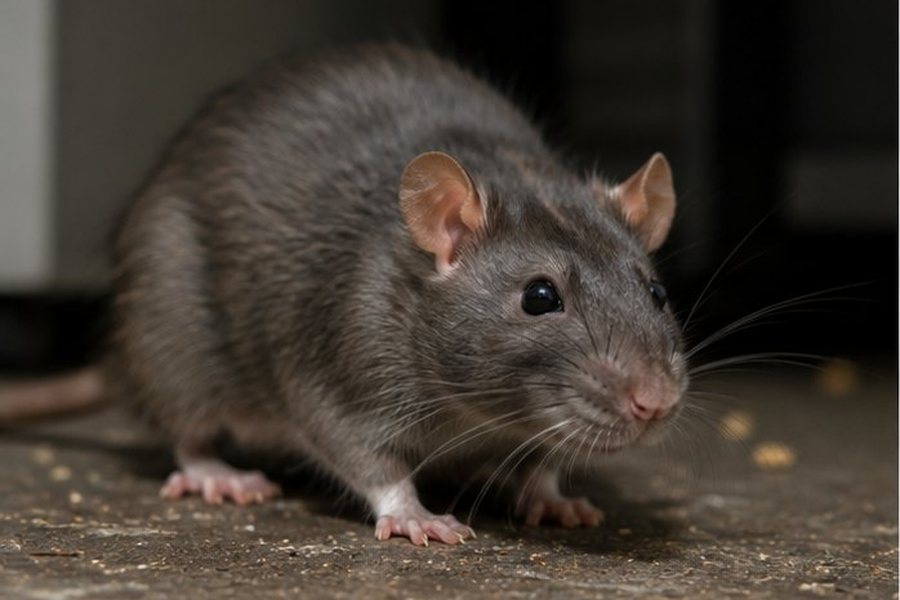
Reason One: The Drains
This is the big one in this area. A defect in the drainage — a cracked pipe, damaged benching in an inspection chamber, or an uncapped connection left when an outside toilet or old extension was removed — gives rats a permanent covered route to your property.
A drain fault does not fix itself and it is not affected by anything done inside the house. Treat the property once and the rats stop; treat it again three months later and they stop again. That pattern is a drainage problem until proven otherwise.
Reason Two: The Openings Were Never Closed
Treatment and proofing are two separate pieces of work. A treatment deals with the animals; proofing closes the ways in. Doing the first without the second leaves the property exactly as accessible as it was.
Rodent proofing is £180 for up to an hour, and it is far more effective done straight after a treatment, when the survey has already established which openings are actually in use rather than merely possible.
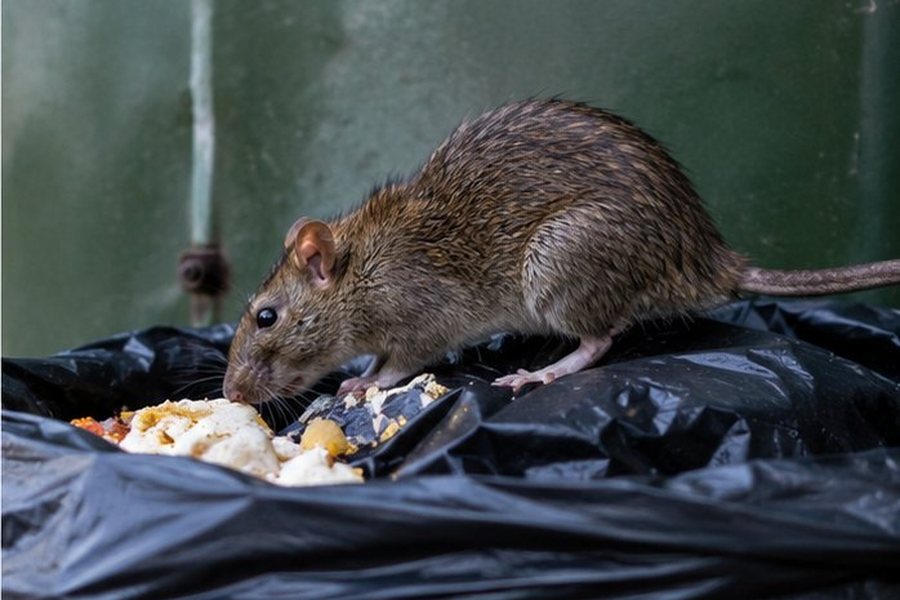
Reason Three: The Food Source
Bird feeders above all, then compost with cooked food in it, chicken or rabbit feed, bins that do not close, dog mess and fallen fruit. A garden with a reliable daily food supply holds a population, and that population keeps testing the building.
This is the cheapest of all the fixes and the one people are most reluctant to make. Taking the feeders down for a few weeks does more than a second treatment.
Reason Four: It Is Not Only Your Property
In a terrace, a semi or a block, the drainage, the wall cavities and the floor voids are shared. A neighbouring property with a defect or a food source supplies both of you, and nothing you do inside your own house changes that.
We will tell you when that is what we are looking at, and put it in terms you can take to a neighbour, a landlord or a managing agent. It is a less satisfying answer than "sorted", and it is the true one.
How to Tell a Failure From a Fresh Arrival
Timing and location. Activity that never fully stopped, in the same place, is an incomplete treatment. Activity that stopped for weeks or months and then restarted, particularly as the weather turned, is a new arrival by the same route.
The second is far more common. Keep a note of dates and where you heard or saw anything — it takes seconds and it is the most useful thing you can hand a technician on a return visit.
Frequently Asked Questions
What is the most common reason?
A defect in the drainage. It gives a permanent covered route that no indoor treatment affects.
Does treatment include closing the holes?
No, those are separate. Proofing is £180 for up to an hour and works best straight after treatment.
It stopped for months then came back. Is that a failed treatment?
Usually not. That pattern is a fresh arrival by the same route, often as the weather turns.
Get a Quote for Rat Control
Tell us your postcode and what you have found. You will have a confirmed price before anything is booked.
More Rat Control Guides
The rest of the rat control advice centre.
How Much Does Rat Control Cost in Bexley?
Read the guide →
Rat Control Prices for Flats vs Houses - Why Do They Differ?
Read the guide →
What Is Included in a £190 Rat Treatment for a Flat?
Read the guide →Rats in the Loft - How Are They Getting Into Your Home?
Read the guide →How Do You Know If You Have Rats Under the Floorboards?
Read the guide →Rats in the Garden - Does It Mean They Are Living in Your House?
Read the guide →Rat Droppings vs Mouse Droppings - How to Tell the Difference
Read the guide →Can Rats Enter a House Through the Drains?
Read the guide →Rat Proofing a Property - Which Entry Points Should You Check?
Read the guide →Rat Control in Bexley
Bexley, Welling, Sidcup, Dartford and everywhere within roughly 10 miles of Bexley High Street. Tell us what you have found and you will have a confirmed price before anything is booked.