 1STOP Pest Control
Bed Bug Treatment · Bexley
Where Do Bed Bugs Hide During the Day?
Within a few feet of where someone sleeps, in something tight and dark. The distance is the useful part — it tells you how far along the problem is.
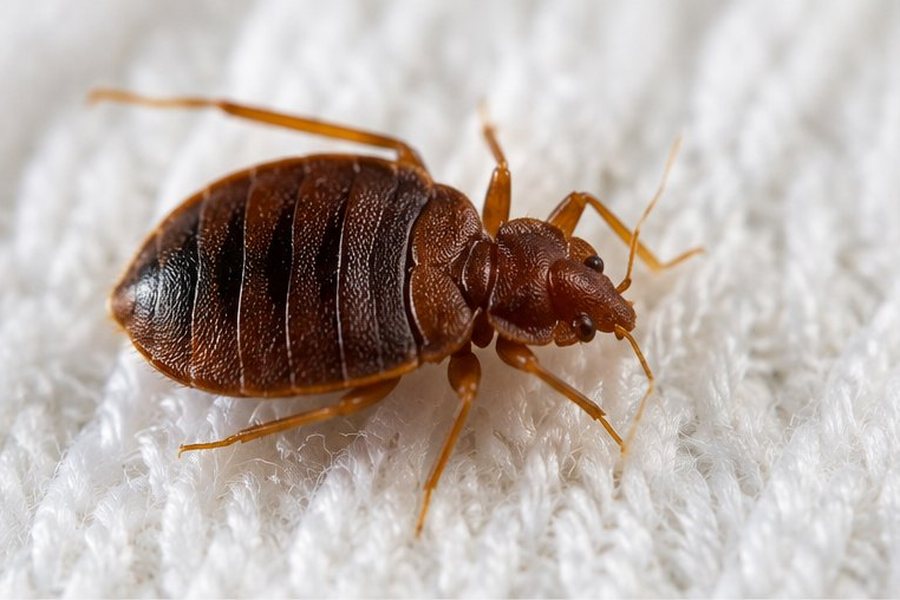
The Rule of a Few Feet
Bed bugs do not forage. They harbour close to the host and come out to feed, then go back. In an early infestation almost everything is within a metre or so of the mattress.
So the search is not "the bedroom", it is a series of concentric rings starting at the bed. Work outwards and stop when you stop finding anything.
Ring One: The Bed Itself
The piping seam of the mattress, all the way round, and the label. The joints of the frame, especially where a slat meets a rail and around screw holes and bolt housings. Inside hollow metal tubing. The underside of the base and the corners of a divan. Behind the headboard and in its fixings.
This is where the great majority of an early population lives, and it is why the first inspection is a stripped bed and a torch rather than a walk round the room.

Ring Two: What Is Beside the Bed
The bedside table, particularly the joints and the back panel and the runners of a drawer. The skirting board nearest the bed. A plug socket or light switch on that wall. A picture frame or mirror above the bed. Curtain hems on that side.
Anything with a tight crack in it and no movement will do. Bed bugs are thigmotactic — they want contact on more than one side — which is why they choose seams, joints and screw holes over open surfaces.
Ring Three: The Signs of an Established Problem
Loose or lifting wallpaper. The edge of the carpet at the gripper. Inside a chest of drawers against that wall. Behind a wardrobe. In an armchair in the same room. Under the fabric underside of an upholstered base.
Finding them out here means the population has grown enough to spill out of ring one, and it usually means it has been running for months rather than weeks.
Why It Matters for the Price
A room is a room whether the bugs are all on the bed frame or spread to the skirting — £220 for the first room and £120 for each additional one. What spreading changes is the chance of a second room being involved.
Which is the argument for looking properly now rather than in a month. And for staying in your own bed: moving to a spare room or a sofa takes them with you and creates the second room yourself.
Frequently Asked Questions
How far from the bed do they go?
Early on, within about a metre. Finding them further out means an established population.
Do they hide in electrical sockets?
They can, on the wall nearest the bed. It is a sign the problem is beyond the early stage.
Should I throw the bed out?
No. Treatment deals with the frame and mattress, and a new bed in an untreated room is reinfested within weeks.
Get a Quote for Bed Bug Treatment
Tell us your postcode and what you have found. You will have a confirmed price before anything is booked.
More Bed Bug Treatment Guides
The rest of the bed bug treatment advice centre.
How Much Does Bed Bug Treatment Cost in Bexley?
Read the guide →
Bed Bug Treatment Prices - £220 First Room and £120 Additional Rooms
Read the guide →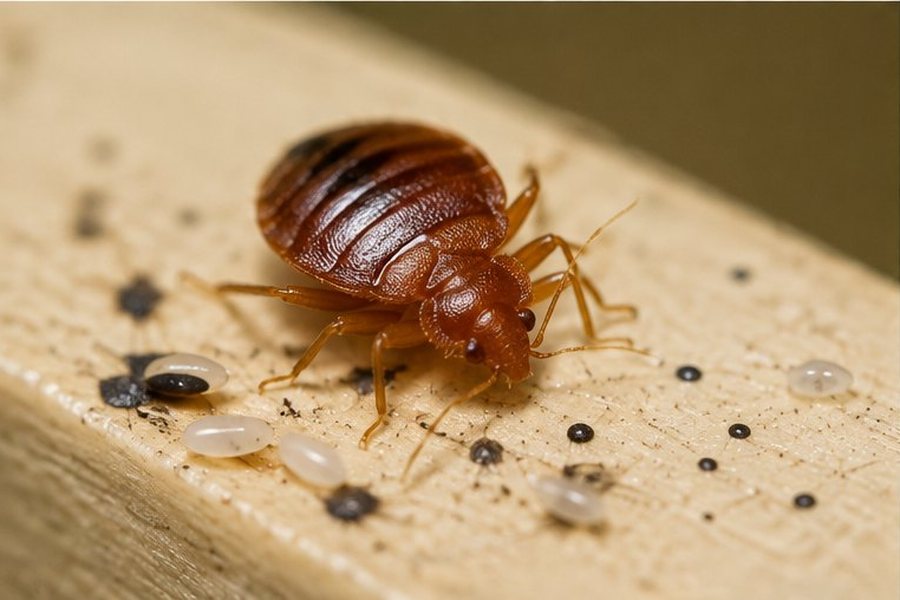
How Many Rooms Need Treating for Bed Bugs?
Read the guide →What Are the First Signs of Bed Bugs in a Bedroom?
Read the guide →Bed Bug Bites - What Signs Should You Look For Around the Bed?
Read the guide →Do You Need to Throw Away Your Mattress After Finding Bed Bugs?
Read the guide →Can Bed Bugs Spread From One Bedroom to Another?
Read the guide →How Should You Prepare a Bedroom for Professional Bed Bug Treatment?
Read the guide →Can Bed Bugs Spread Between Flats and Apartments?
Read the guide →Bed Bug Treatment in Bexley
Bexley, Welling, Sidcup, Dartford and everywhere within roughly 10 miles of Bexley High Street. Tell us what you have found and you will have a confirmed price before anything is booked.