 1STOP Pest Control
Flea Treatment · Bexley
Why Do I Still Have Fleas After Treating My Pet?
Because the animal was never where most of the fleas were. Treating the pet deals with a small fraction of the population and leaves the rest exactly where it is.
The Numbers Nobody Tells You
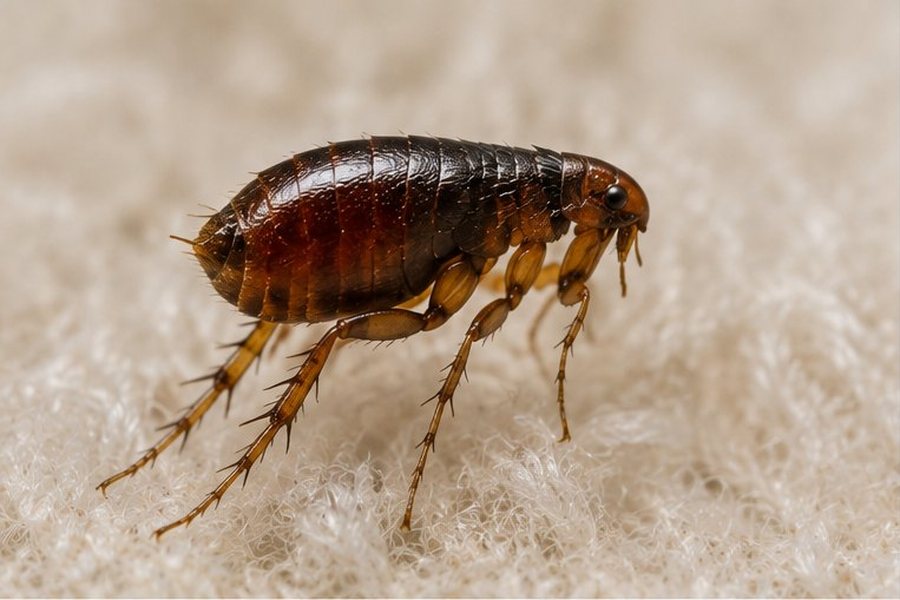
At any given moment only a small proportion of a flea population is on the animal. The great majority is in the environment as eggs, larvae and pupae — in the carpet pile, in the pet bed, down the sides of the sofa, in the gaps between floorboards.
So a spot-on treatment that works perfectly still leaves the bulk of the problem in the room. The pet is the visible part, not the main part.
Eggs Do Not Stay Where They Were Laid
Flea eggs are laid on the animal and are designed to fall off. They roll into the places the animal rests and along the routes it walks, which is why the distribution in a house matches the pet’s habits almost exactly.
Follow your animal around mentally: where it sleeps, the chair it is not supposed to sit on, the sunny patch of hall carpet. That is where the population is.
The Pupa Is Why It Drags On
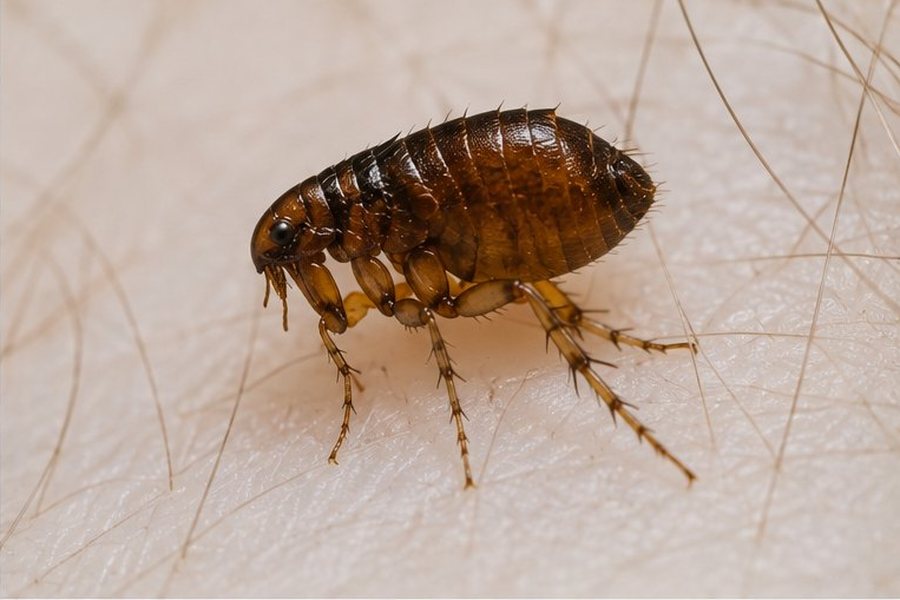
The pupal stage is armoured, sticky, and effectively immune to insecticide. A pupa can sit dormant for months waiting for a signal that a host is present — warmth, carbon dioxide and vibration.
That is the single most useful fact about fleas. It explains why treatments seem to fail, why empty properties suddenly erupt when someone moves in, and why vacuuming after treatment matters so much: the vibration triggers hatching into a treated surface, which is exactly what you want.
What Has to Happen Alongside the Vet
Vacuum thoroughly and empty the cylinder outside, wash pet bedding hot, clear the floors, and have the rooms treated. Then keep vacuuming for a fortnight.
Doing the animal without the property gets you a pet that keeps getting reinfested. Doing the property without the animal gets you a house that gets reseeded within days. Both, at roughly the same time, is the whole job.
When There Is No Animal at All
Extremely common, and not a mystery. A previous occupant had one, the pupae waited, and you walked in. The treatment is identical and the property price is the same — £180 for the first room and £60 for each one after.
Frequently Asked Questions
How much of the problem is on my pet?
A small fraction. The great majority is in the carpet, the bedding and the furniture.
Why do fleas appear after the treatment?
Pupae hatching into the treated surface. Expected, and why the vacuuming matters.
Do I need to treat if my pet is on a vet product?
If the house is infested, yes. The vet product protects the animal, not the room.
Get a Quote for Flea Treatment
Tell us your postcode and what you have found. You will have a confirmed price before anything is booked.
More Flea Treatment Guides
The rest of the flea treatment advice centre.
How Much Does Flea Treatment Cost in Bexley?
Read the guide →
Flea Treatment Prices - £180 First Room and £60 for Additional Rooms
Read the guide →How Do You Know If Fleas Are Living in Your Carpet?
Read the guide →Can Fleas Survive in an Empty House or Flat?
Read the guide →Where Do Flea Eggs and Larvae Hide Around the Home?
Read the guide →
How Should You Prepare Your Home for Professional Flea Treatment?
Read the guide →Why Can Fleas Suddenly Appear in a Previously Empty Property?
Read the guide →Can Fleas Live in Sofas and Upholstered Furniture?
Read the guide →How Can Landlords Deal With Fleas Between Tenancies?
Read the guide →Flea Treatment in Bexley
Bexley, Welling, Sidcup, Dartford and everywhere within roughly 10 miles of Bexley High Street. Tell us what you have found and you will have a confirmed price before anything is booked.