 1STOP Pest Control
Rodent Proofing · Bexley
Can Mice Get Into a House Around Kitchen Pipework?
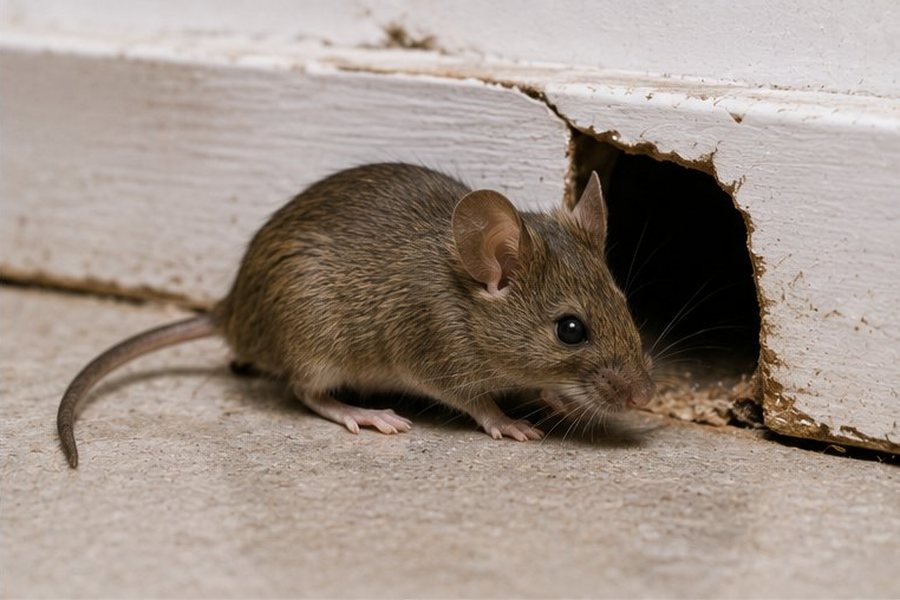
Yes, and the cupboard under the sink is the most productive half hour you can spend proofing a house. Nearly every property has an open gap in it.
Why It Is Nearly Always Open
The waste pipe, the hot and cold supplies and often a washing machine hose all pass through the back or base of that cupboard, and every hole was cut oversize to thread the pipe through.
Then the cupboard was fitted, the bin and the cleaning products went in, and nobody has looked at the back of it since. It is a ready-made opening in a dark, undisturbed place directly beneath a food preparation area.
Where It Leads
Straight into the void behind and under the kitchen units, which usually runs the length of the wall behind the appliances. From there into a wall cavity, under a suspended floor, or through to the next room.
So this is not one hole into one cupboard. It is the junction between your kitchen and the entire void network of the building, which is why mice appear here first and why droppings in that cupboard are so common.
How to Check It
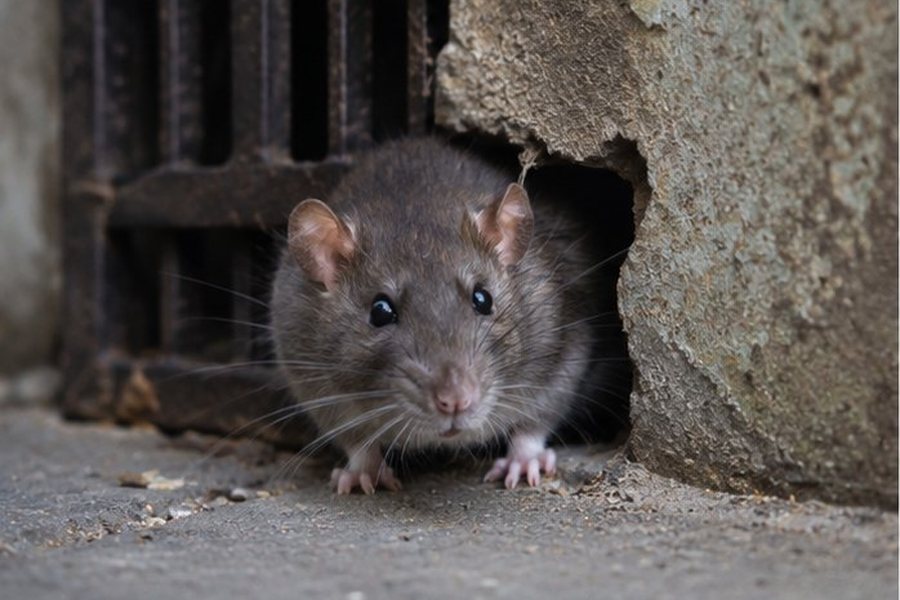
Empty the cupboard completely and take a torch. Look at every pipe where it passes through the carcass and where it passes through the wall behind. Hold the torch at a shallow angle so gaps throw a shadow.
Test with a biro: if a pen goes in, a mouse goes in. Then look for the evidence — droppings in the corners, gnawing on a plastic waste pipe, a greasy smudge where a pipe passes through, and nesting material behind the pipework.
The Rest of the Kitchen, While You Are There
Behind the boiler where the pipework goes through. The cooker hood duct through the external wall. The gas service entry. Where the heating pipes drop through the floor. Behind the washing machine and dishwasher at the plumbing. And the kickboard void itself, which is easiest to check with the kickboards off.
In a flat, add the boxing around the soil stack, which connects every floor of the building and is one of the main routes between properties.
Sealing It Properly
Not expanding foam — mice chew through it and it hides the gap from anyone inspecting later. Not silicone alone, which they gnaw, and not steel wool by itself, which rusts and breaks down.
Rodent-resistant mesh packed properly and finished with mortar or a fitted plate, done in a way that allows for pipe movement and heat. Treat first if there is activity — sealing an occupied property leaves mice inside it — then proof, at £180 for up to an hour covering rats, mice and squirrels.
Frequently Asked Questions
Where is the single best place to look?
The cupboard under the kitchen sink, where the waste and supply pipes pass through.
How do I test a gap?
A biro. If a pen fits, a mouse fits.
Can I fill it with silicone or foam?
No. Mice chew through both. It needs mesh and mortar or a fitted plate.
Get a Quote for Rodent Proofing
Tell us your postcode and what you have found. You will have a confirmed price before anything is booked.
More Rodent Proofing Guides
The rest of the rodent proofing advice centre.
How Much Does Rodent Proofing Cost in Bexley?
Read the guide →
What Does £180 of Rodent Proofing Include?
Read the guide →
How Do You Find Where Rats Are Getting Into a House?
Read the guide →How Do You Find Mouse Entry Points Around a Property?
Read the guide →Which Gaps Around Pipes Should Be Sealed Against Rodents?
Read the guide →Can Rats Enter Through Air Bricks and Ventilation Openings?
Read the guide →Should Rodent Proofing Be Done Before or After Rodent Treatment?
Read the guide →Why Does Filling One Mouse Hole Sometimes Not Solve the Problem?
Read the guide →Rodent Proofing Checklist - 10 Places to Inspect Around Your Home
Read the guide →Rodent Proofing in Bexley
Bexley, Welling, Sidcup, Dartford and everywhere within roughly 10 miles of Bexley High Street. Tell us what you have found and you will have a confirmed price before anything is booked.