 1STOP Pest Control
Rodent Proofing · Bexley
Can Rats Enter Through Air Bricks and Ventilation Openings?
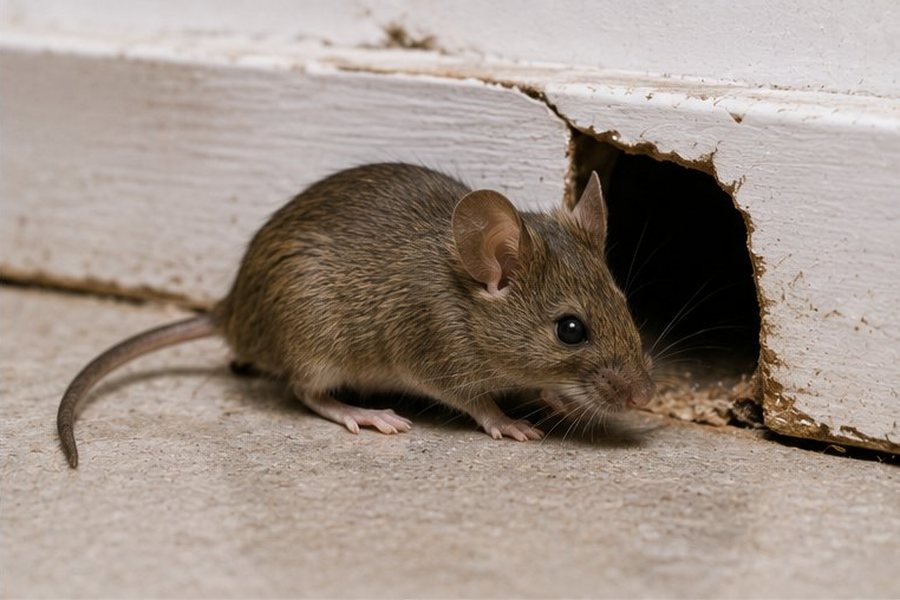
Yes — damaged air bricks are one of the most common entry points we find. But they exist for a reason, and how you deal with them matters.
What Air Bricks Are For
They ventilate the void under a suspended timber floor. Air moving through that void keeps the timbers dry; without it you get damp, and eventually rot in the joists and floorboards.
That is the constraint on everything that follows. An air brick cannot simply be filled in, and anyone who offers to block one to stop rodents is trading a pest problem for a much more expensive building one.
How They Fail
Older clay air bricks crack and lose sections, leaving a hole several centimetres across. Plastic ones become brittle and break. Some have been rendered over during past work and then cracked. Some are missing entirely, leaving a rectangular hole straight into the void.
Ground levels are the other half. Where a path, patio or border has been raised over the years, an air brick can end up at or below ground level, which makes it both useless for ventilation and easy to reach.
How to Check Yours
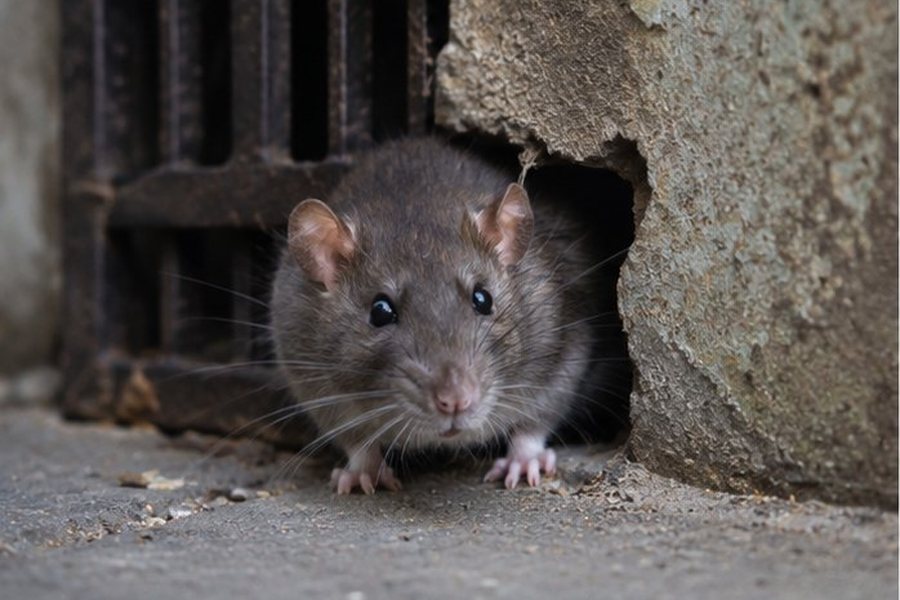
Walk the whole perimeter, including behind bins, under the boiler flue, behind planters and along the side return that nobody looks at. Count them, and look at each one closely rather than from standing height.
You are looking for missing sections, cracks, gaps at the edges where the mortar has gone, and any that are blocked by soil or vegetation. Smear marks around an opening mean it is in use, not just available.
The Right Fix
Replace or cover with a purpose-made rodent-resistant air brick or a stainless mesh grille fitted over the opening, sized to keep the airflow. Fix it properly to the brickwork rather than pushing mesh into the hole, which rats pull out.
Where the ground has been raised, the proper answer is a periscope vent or lowering the ground level, not a blocked brick. And never expanding foam, chicken wire or a plastic cover with large openings.
The Other Ventilation Openings
Tumble dryer and extract vents through an external wall, which frequently have a flap that no longer closes. Boiler flue penetrations with a gap around the pipe. Soffit and eaves vents at roof level. Wall vents in old kitchens and bathrooms. Cavity wall weep holes, which are mouse-sized rather than rat-sized but still count.
All of them can be meshed without losing their function. Rodent proofing is £180 for up to an hour and covers rats, mice and squirrels — and it comes after treatment, never while there is still activity inside.
Frequently Asked Questions
Can I just block the air brick?
No. It ventilates the floor void, and blocking it causes damp and eventually rot.
What is the right way to proof one?
A rodent-resistant air brick or a stainless mesh grille properly fixed to the brickwork, keeping the airflow.
What if it is below ground level now?
It needs a periscope vent or the ground lowering. It is not doing its job where it is.
Get a Quote for Rodent Proofing
Tell us your postcode and what you have found. You will have a confirmed price before anything is booked.
More Rodent Proofing Guides
The rest of the rodent proofing advice centre.
How Much Does Rodent Proofing Cost in Bexley?
Read the guide →
What Does £180 of Rodent Proofing Include?
Read the guide →
How Do You Find Where Rats Are Getting Into a House?
Read the guide →How Do You Find Mouse Entry Points Around a Property?
Read the guide →Which Gaps Around Pipes Should Be Sealed Against Rodents?
Read the guide →Can Mice Get Into a House Around Kitchen Pipework?
Read the guide →Should Rodent Proofing Be Done Before or After Rodent Treatment?
Read the guide →Why Does Filling One Mouse Hole Sometimes Not Solve the Problem?
Read the guide →Rodent Proofing Checklist - 10 Places to Inspect Around Your Home
Read the guide →Rodent Proofing in Bexley
Bexley, Welling, Sidcup, Dartford and everywhere within roughly 10 miles of Bexley High Street. Tell us what you have found and you will have a confirmed price before anything is booked.