 1STOP Pest Control
Rodent Proofing · Bexley
Which Gaps Around Pipes Should Be Sealed Against Rodents?
Every pipe that passes through a wall, a floor or a unit is a potential entry point. Here is how to decide which ones matter and what to close them with.
Why Pipe Penetrations Are the Weak Point
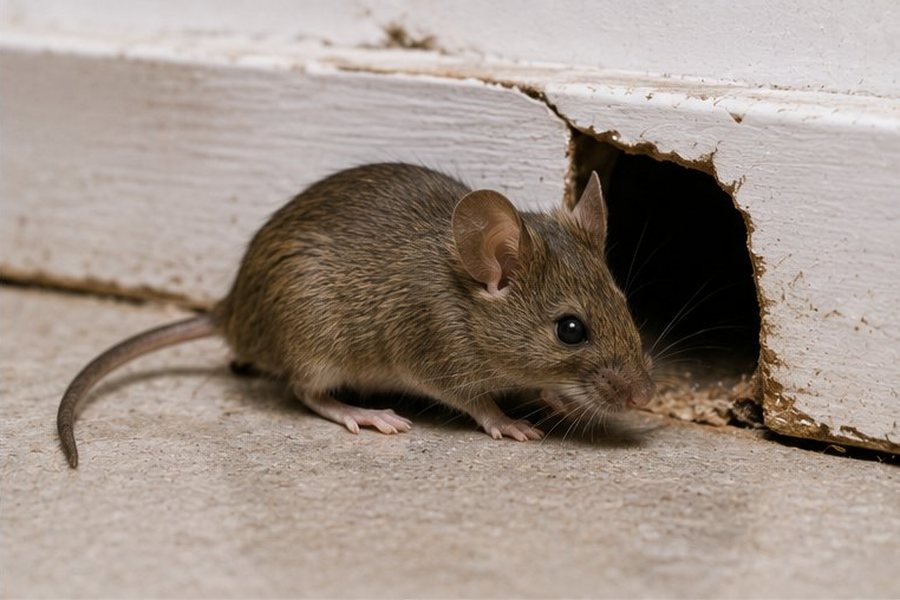
A hole cut for a pipe is nearly always cut oversize, because the pipe has to be threaded through it. The gap around it is then filled with whatever was to hand, or not filled at all, and it is usually behind something.
That combination — a ready-made hole, a soft filler, and nobody looking at it — makes it the single most productive place to look on almost any property.
The Ones That Matter Most
The soil pipe where it enters the building, which is a rat-sized opening in most houses. The waste and supply pipes under the kitchen sink. The gas and water service entries. The heating pipes where they pass through a wall or floor beside a boiler. The cooker hood duct. And any redundant pipe left in place when something was removed.
Redundant pipework is worth singling out. An old boiler flue, a capped-off gas run or a pipe from a removed outside tap is frequently open at both ends and forgotten.
Inside the House as Well as Outside
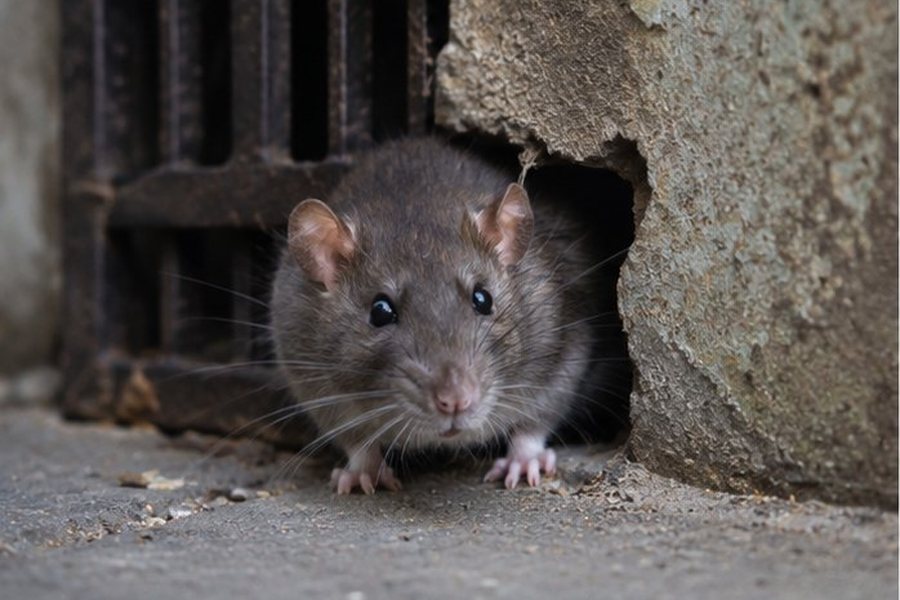
This is where people stop too early. Sealing the outside of a wall stops entry to the building; sealing the inside stops movement from a cavity or floor void into the room.
Since mice are frequently already inside the structure, the internal penetration — under the sink, behind the boiler, at the back of an airing cupboard — is often the one that actually solves the problem.
What to Seal Them With
Not expanding foam. Rodents chew straight through it and it hides the gap from anyone inspecting later. Not silicone alone, and not steel wool on its own, which rusts and breaks down.
Proprietary rodent-resistant mesh or wire wool product, packed properly and finished with mortar or a fitted plate where the material allows. Around a pipe that moves or gets hot, it has to be done in a way that keeps the seal without damaging the pipe, which is where doing it properly earns its money.
The Order of Operations
Deal with the animals first. Sealing an occupied property traps rodents inside it, and a rat sealed into a cavity dies in the cavity.
Then proof. Rodent proofing is £180 for up to an hour and covers rats, mice and squirrels, and an hour goes a long way when the survey has already told us which penetrations are the live ones.
Frequently Asked Questions
Can I use expanding foam?
No. Rodents chew through it, and it hides the gap from a later inspection.
Do I need to seal inside as well as outside?
Usually yes. Mice are often already in the cavity or floor void, so the internal gap is the one that matters.
What about pipes that get hot?
They need sealing in a way that keeps the seal without damaging the pipe — mesh and mortar rather than foam.
Get a Quote for Rodent Proofing
Tell us your postcode and what you have found. You will have a confirmed price before anything is booked.
More Rodent Proofing Guides
The rest of the rodent proofing advice centre.
How Much Does Rodent Proofing Cost in Bexley?
Read the guide →
What Does £180 of Rodent Proofing Include?
Read the guide →
How Do You Find Where Rats Are Getting Into a House?
Read the guide →How Do You Find Mouse Entry Points Around a Property?
Read the guide →Can Rats Enter Through Air Bricks and Ventilation Openings?
Read the guide →Can Mice Get Into a House Around Kitchen Pipework?
Read the guide →Should Rodent Proofing Be Done Before or After Rodent Treatment?
Read the guide →Why Does Filling One Mouse Hole Sometimes Not Solve the Problem?
Read the guide →Rodent Proofing Checklist - 10 Places to Inspect Around Your Home
Read the guide →Rodent Proofing in Bexley
Bexley, Welling, Sidcup, Dartford and everywhere within roughly 10 miles of Bexley High Street. Tell us what you have found and you will have a confirmed price before anything is booked.