 1STOP Pest Control
Rodent Proofing · Bexley
How Do You Find Where Rats Are Getting Into a House?
Methodically, from the ground up, reading what they leave behind. Here is the order we work in and what we are looking at.
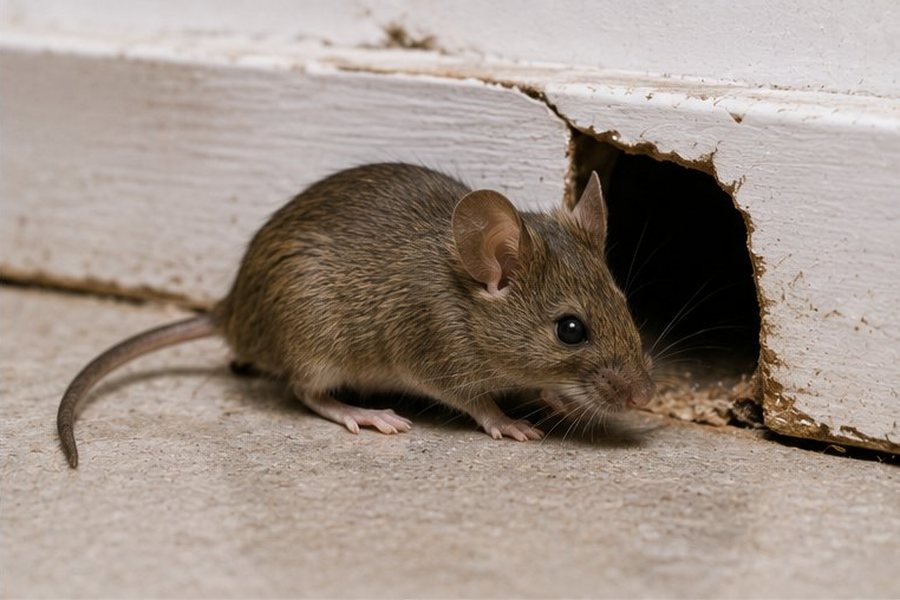
Start With the Drains
In most of this area, rats indoors came from below. So the first look is at the drainage: lift the inspection chamber cover and check the benching and the channel for damage, look for a redundant connection from a removed outside toilet or an old extension that was never capped, and check the gullies.
The tell is smear marks — dark greasy deposits where a rat has repeatedly squeezed past the same point. Rats are creatures of habit and they leave a polish on a route they use.
Then the Base of the Building
Air bricks with broken or missing grilles. The gap where the soil pipe passes through the wall. Cable and service entries. The joint where a later extension meets the original brickwork, which almost never gets sealed properly. The threshold under a garage or side door.
Anything a thumb fits into is worth treating as a candidate. Rats do not need much and they will make a gap larger if it is nearly right.
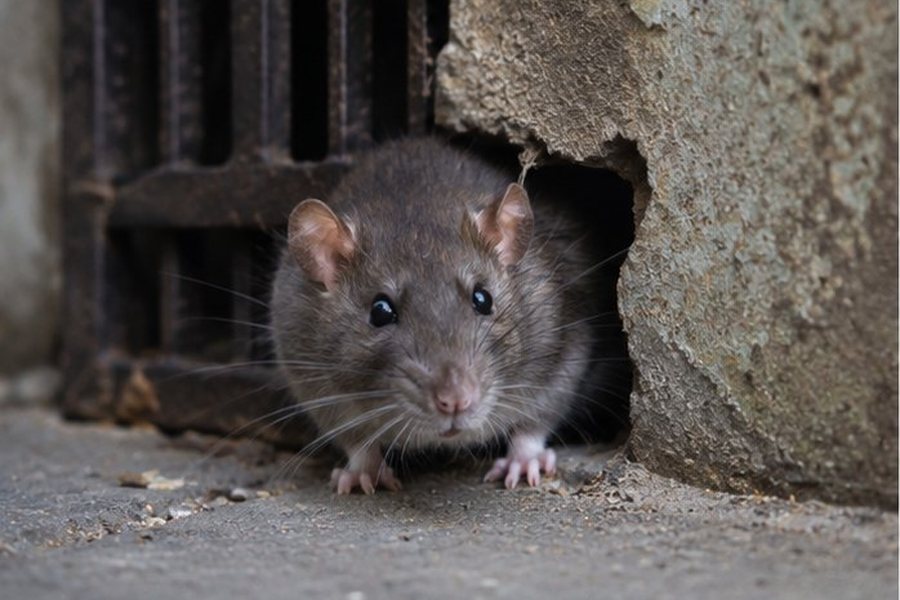
Read the Evidence, Not Just the Holes
Smear marks along a run. Droppings collected in a line rather than scattered. Gnawing on something that is not food — plastic pipe, timber, cable sheathing. Runs worn through long grass or across a border. Disturbed insulation in a loft, and tunnels through it.
The evidence tells you the route, and the route leads to the opening. Hunting for holes without reading the runs first is how people miss the one that matters.
Work Upwards
Rats climb. Check where a downpipe passes an eaves gap, the point where an extension roof meets the main wall, open eaves courses, and any lifted tile. Trees and fencing that reach the roofline are routes up.
Loft insulation is worth looking at properly rather than from the hatch — runs through it are obvious once you are in there and invisible from the ladder.
What to Do With What You Find
Do not seal anything while there is activity inside. Proofing an occupied building traps rats in it, and that is worse than where you started.
Deal with the animals, then close the openings. Rodent proofing is £180 for up to an hour and covers rats, mice and squirrels. Where what you have found is a broken drain or a failed roof, that is a drainage contractor or a roofer, and we will tell you which rather than quoting proofing for it.
Frequently Asked Questions
What are smear marks?
Dark greasy deposits where rats repeatedly pass the same point. They mark the route.
How big a gap do rats need?
Roughly thumb-width, and they will enlarge anything close.
Should I block the hole as soon as I find it?
Not while there is activity inside. Deal with the animals first.
Get a Quote for Rodent Proofing
Tell us your postcode and what you have found. You will have a confirmed price before anything is booked.
More Rodent Proofing Guides
The rest of the rodent proofing advice centre.
How Much Does Rodent Proofing Cost in Bexley?
Read the guide →
What Does £180 of Rodent Proofing Include?
Read the guide →How Do You Find Mouse Entry Points Around a Property?
Read the guide →Which Gaps Around Pipes Should Be Sealed Against Rodents?
Read the guide →Can Rats Enter Through Air Bricks and Ventilation Openings?
Read the guide →
Can Mice Get Into a House Around Kitchen Pipework?
Read the guide →Should Rodent Proofing Be Done Before or After Rodent Treatment?
Read the guide →Why Does Filling One Mouse Hole Sometimes Not Solve the Problem?
Read the guide →Rodent Proofing Checklist - 10 Places to Inspect Around Your Home
Read the guide →Rodent Proofing in Bexley
Bexley, Welling, Sidcup, Dartford and everywhere within roughly 10 miles of Bexley High Street. Tell us what you have found and you will have a confirmed price before anything is booked.